
1st Prep2Shelter Workshop and field mission to Central Greece
Learning from Disaster Sheltering Experiences
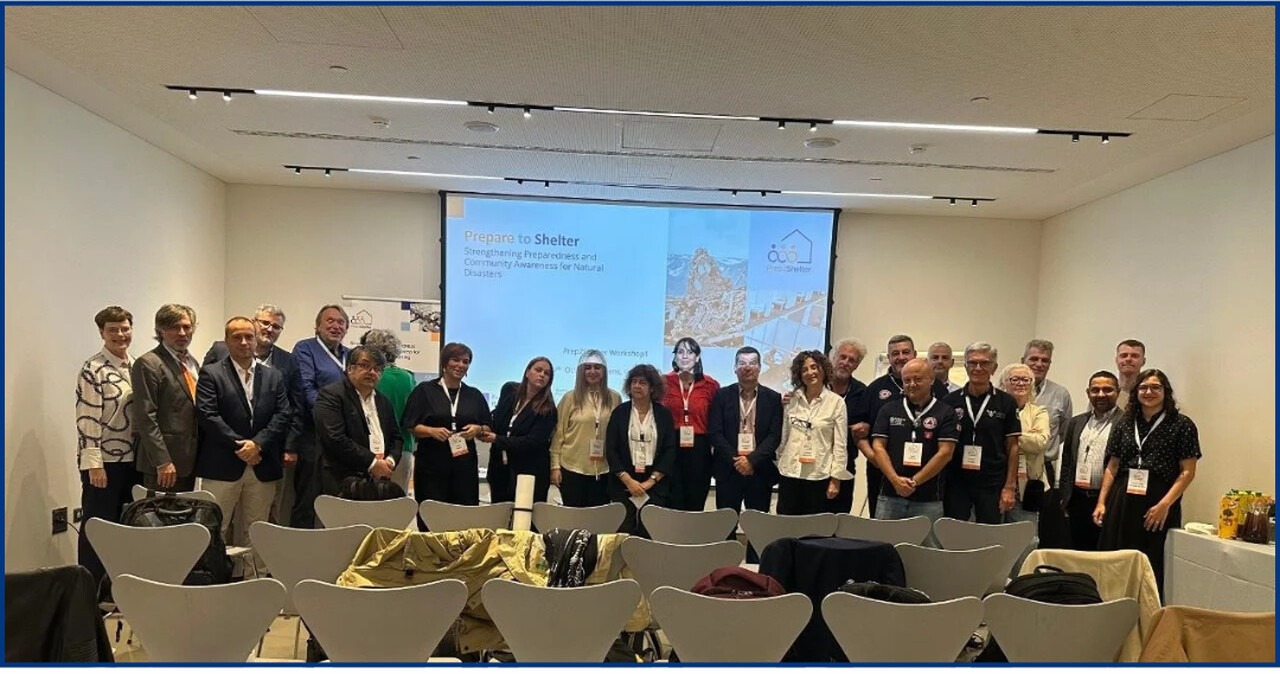
The first Prep2Shelter Stakeholder Workshop and Field Mission took place from 5 to 8 October 2026 in Athens and Larissa, Greece, bringing together researchers, Disaster Risk Management (DRM) practitioners, Civil Protection officials and local stakeholders.
The activities combined expert presentations, discussions with Civil Protection authorities, a collaborative session on disaster sheltering, field visits and group discussions with people affected by previous disasters.
The aim was to learn from real disaster experiences and use this knowledge to support the development of the Prep2Shelter multicriteria methodology and decision-support tool for emergency shelter planning.
Workshop: sharing experience and identifying priorities
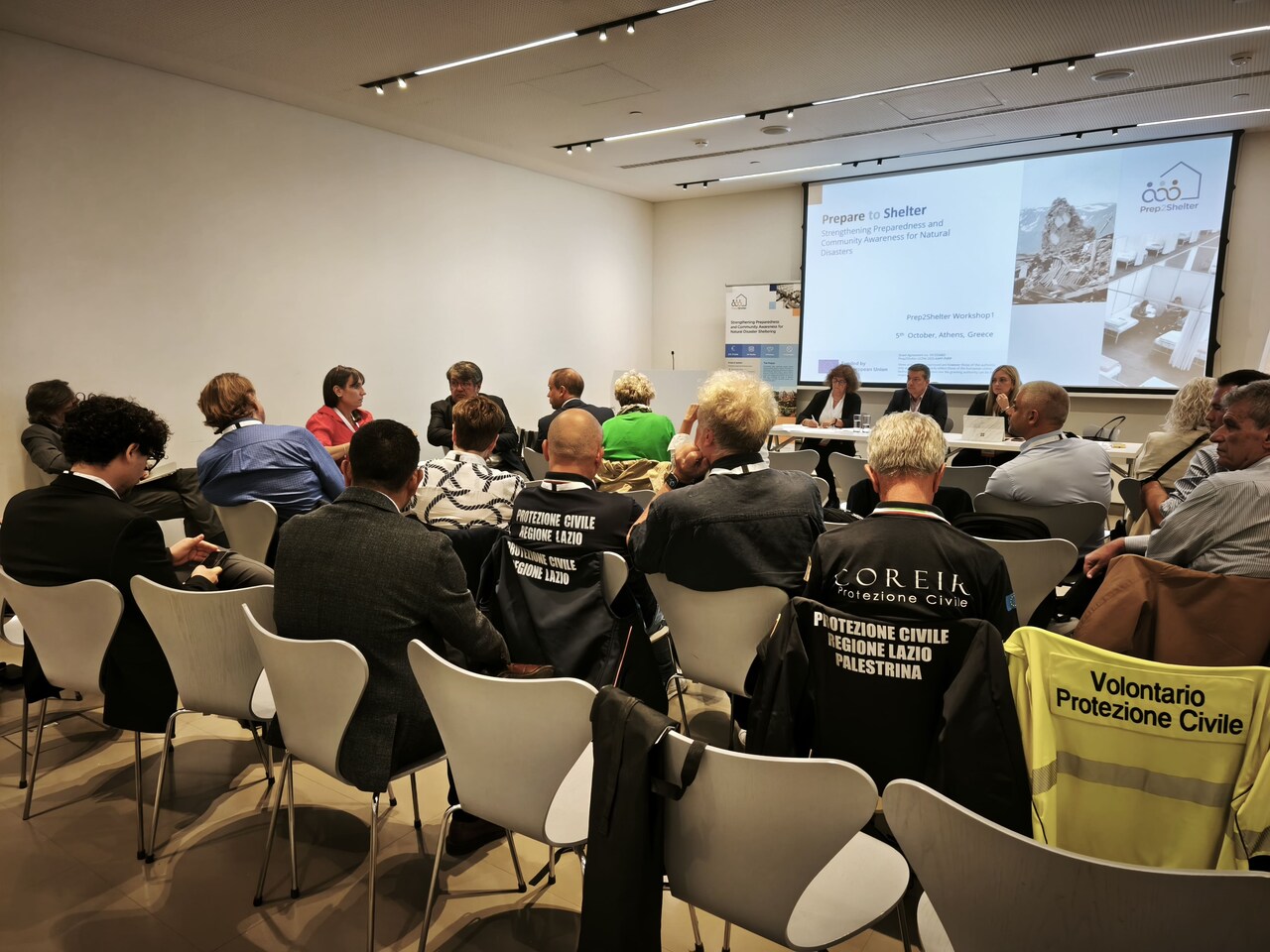
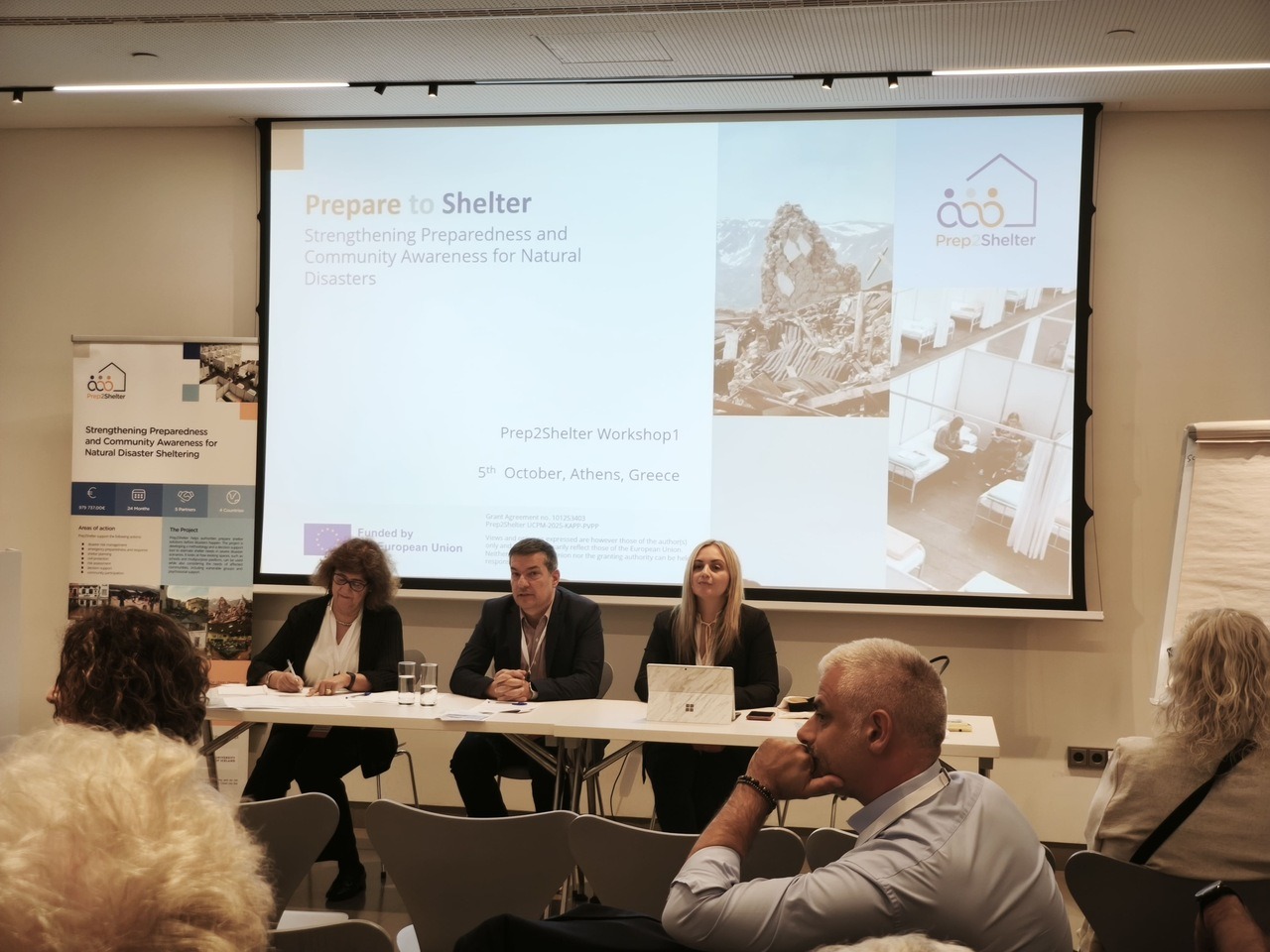
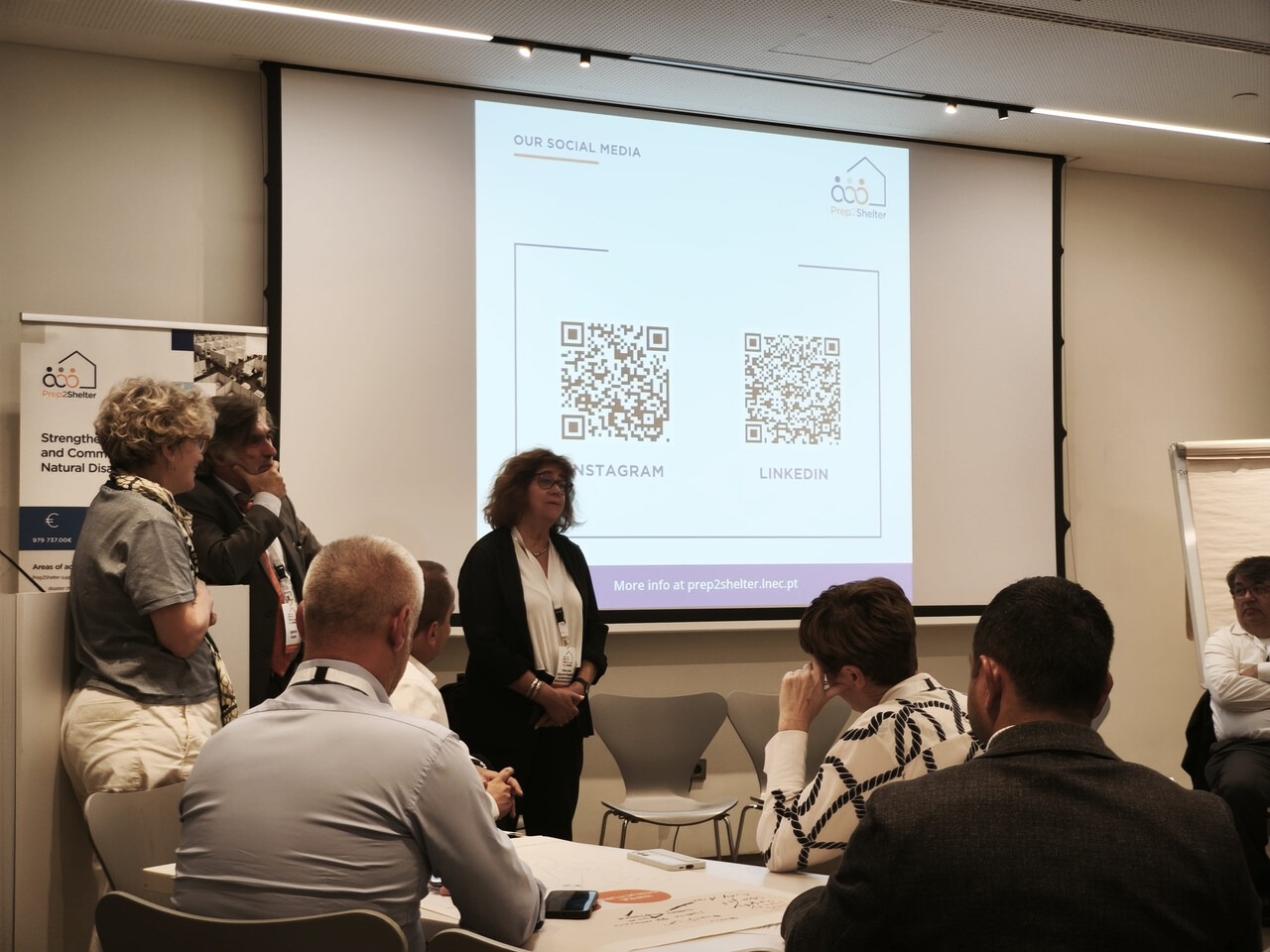
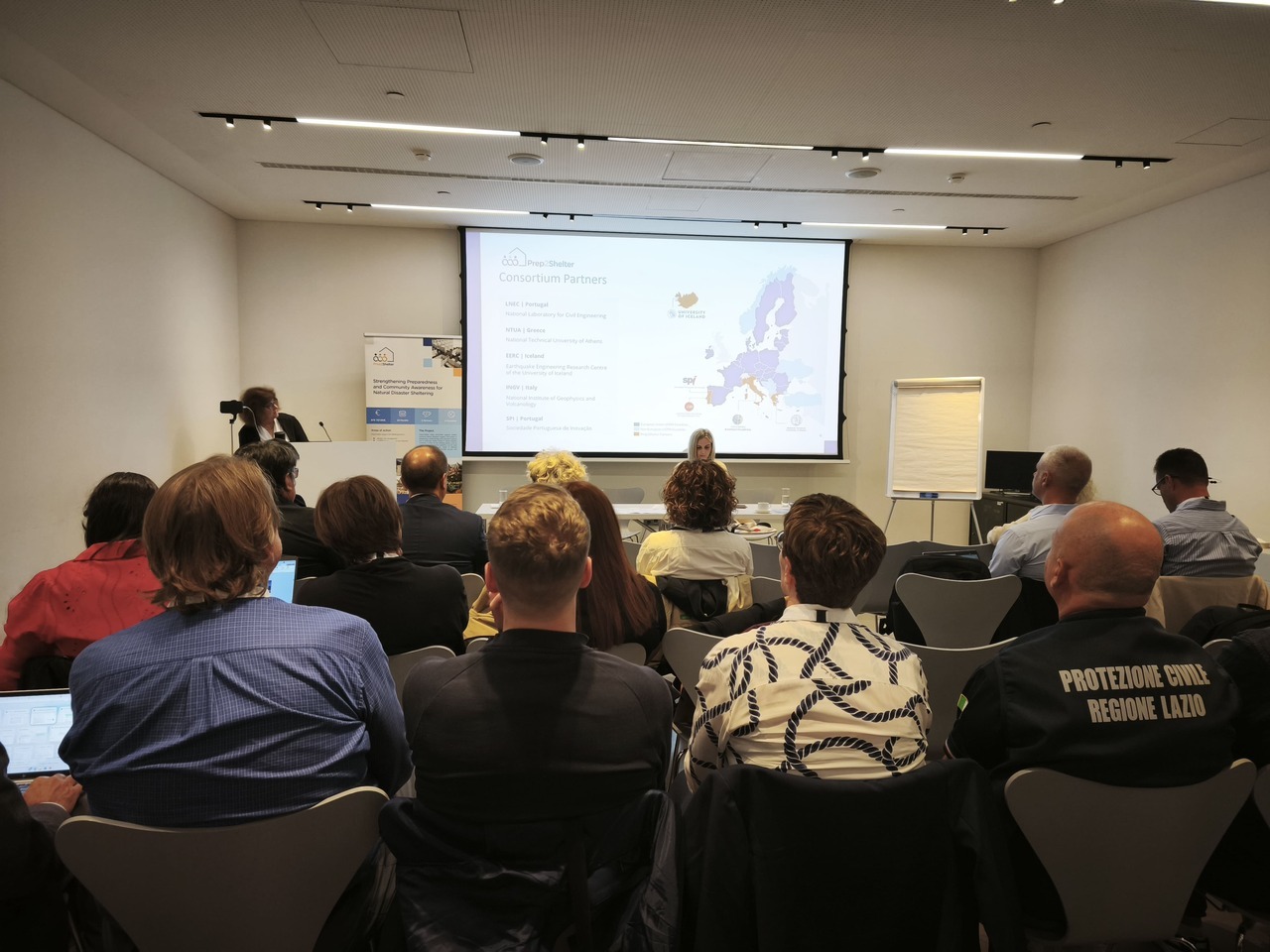
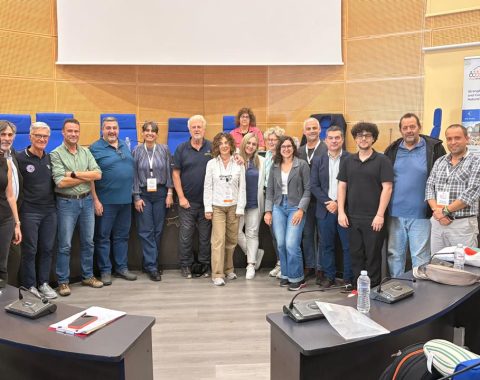
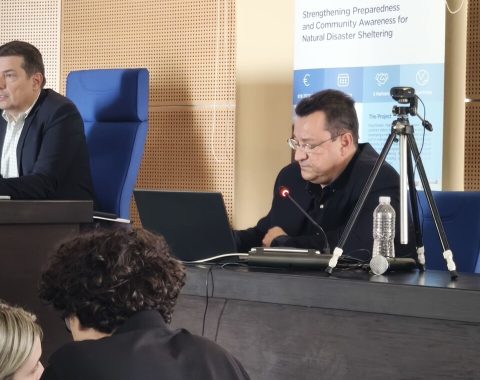
The workshop was hosted by the National Technical University of Athens (NTUA) at the Stavros Niarchos Foundation Cultural Center (SNFCC) in Athens on 5 October. It provided an opportunity for Prep2Shelter partners and DRM practitioners from Portugal, Italy, Iceland and Greece to exchange experiences on disaster shelter planning and management.
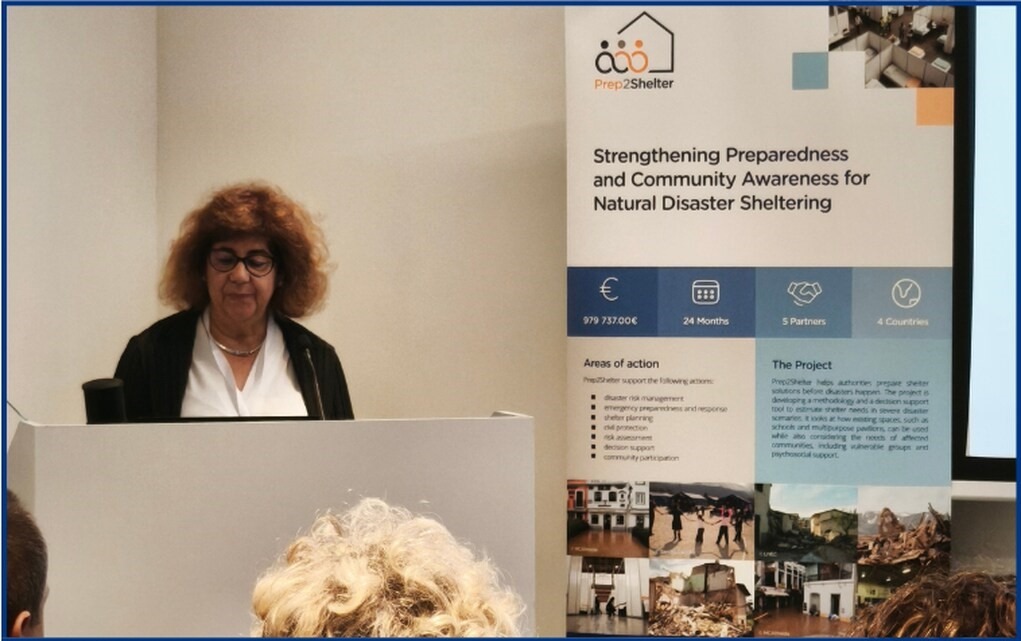
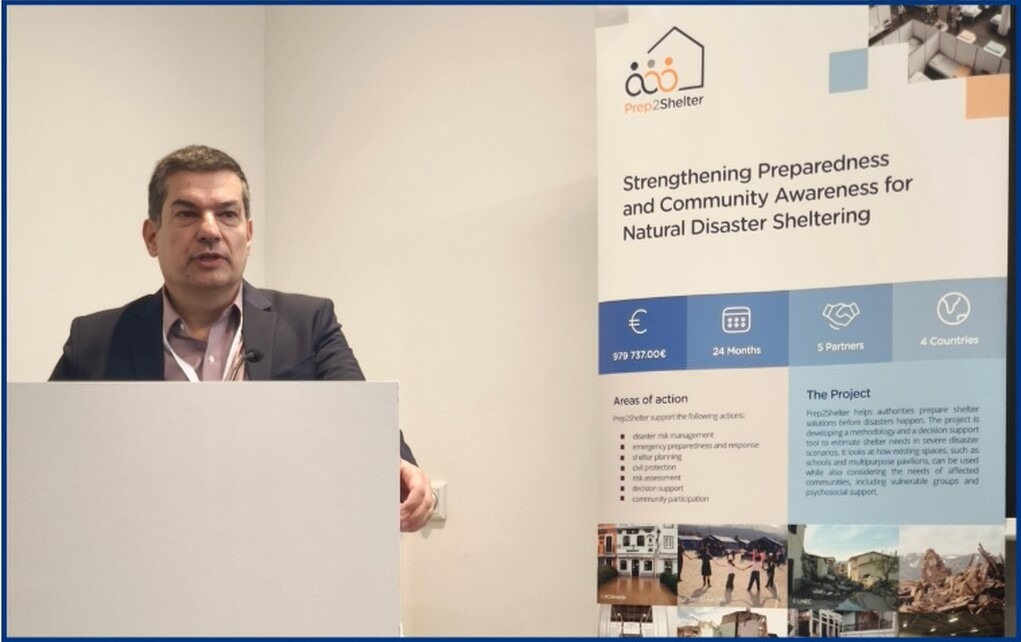
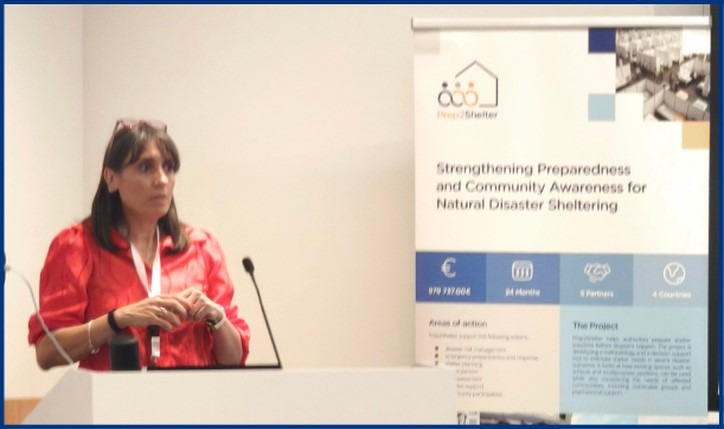
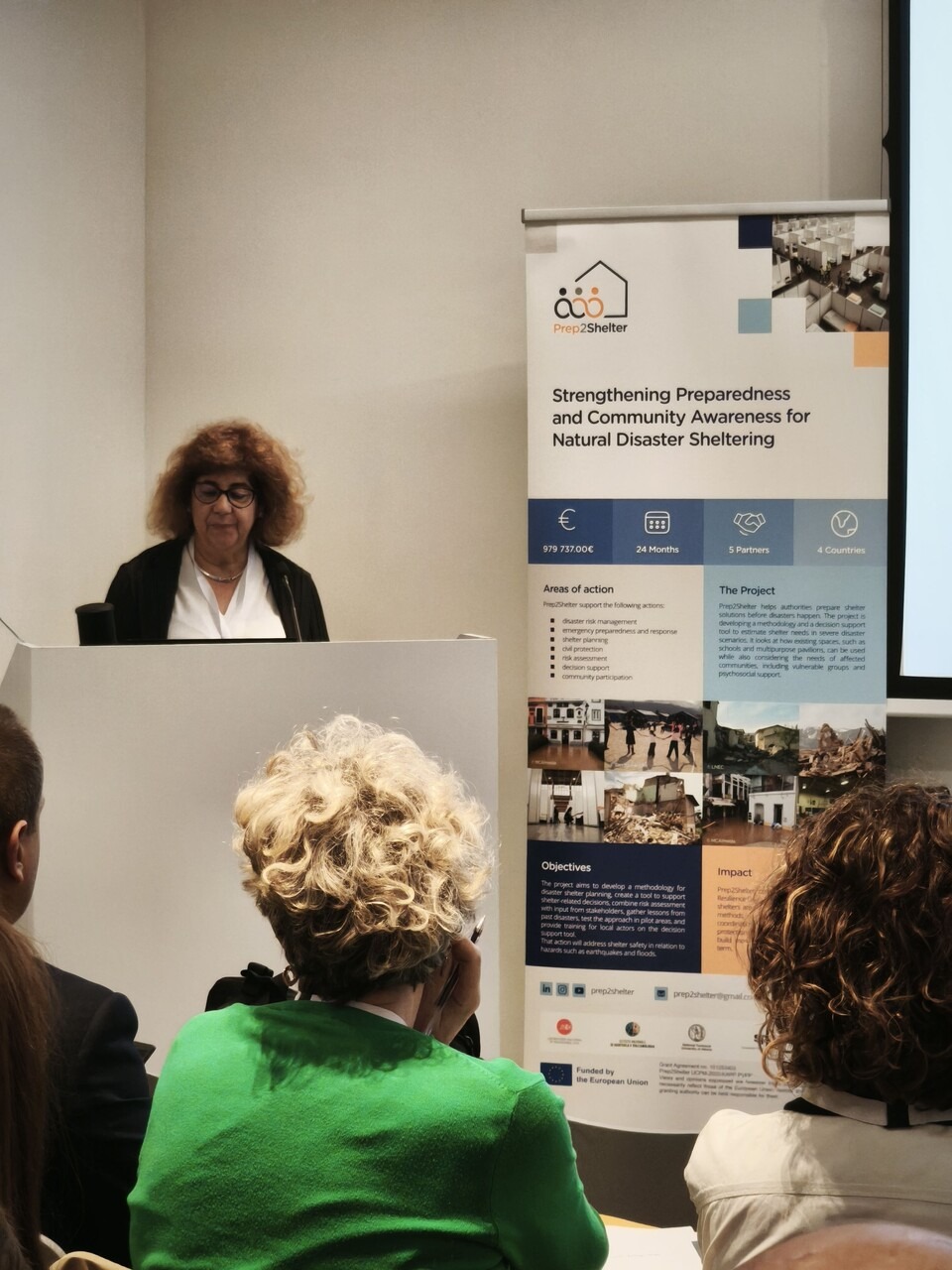
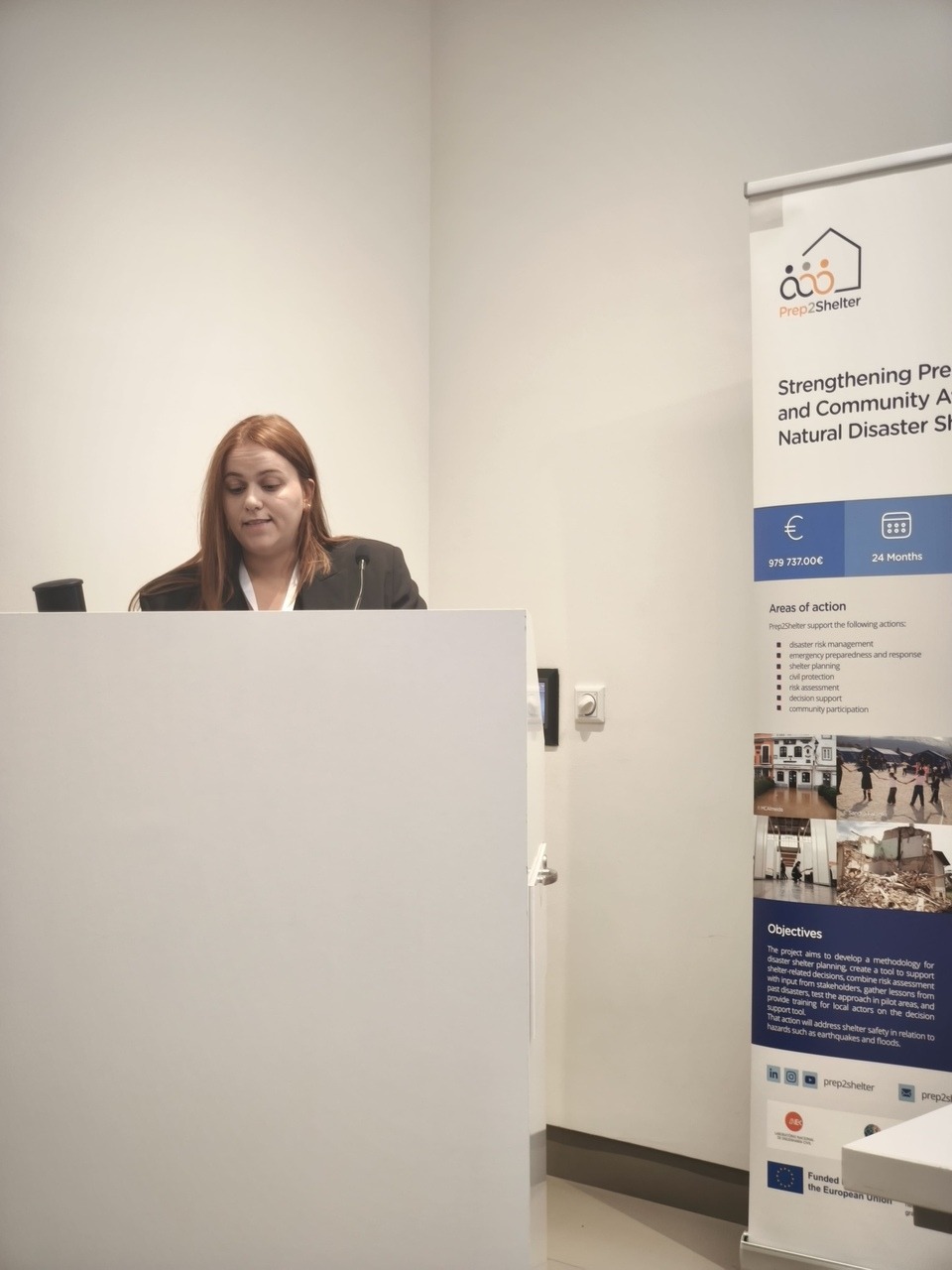
Dr. Luísa Sousa, Prep2Shelter Coordinator from the National Laboratory for Civil Engineering (LNEC), presented the project’s objectives, its European policy context and the expected outcomes for participating countries.
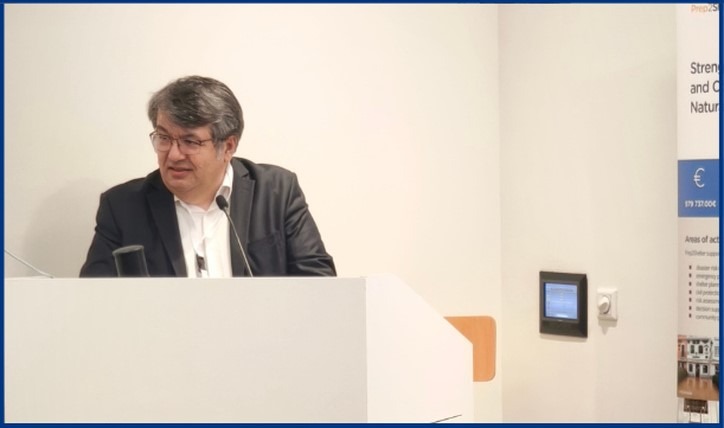
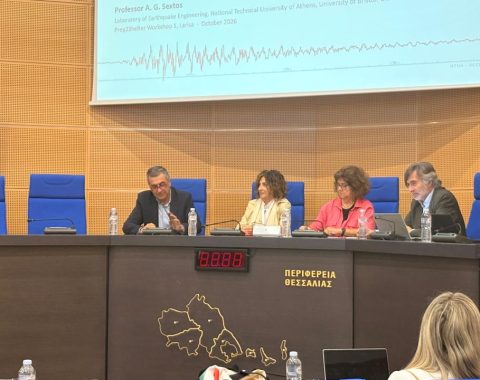
Prof. Anastasios Sextos, from the National Technical University of Athens (NTUA) and the University of Bristol, presented the technical and scientific framework underpinning Prep2Shelter, including the shelter readiness assessment methodology and the role of the Thessaly pilot study.
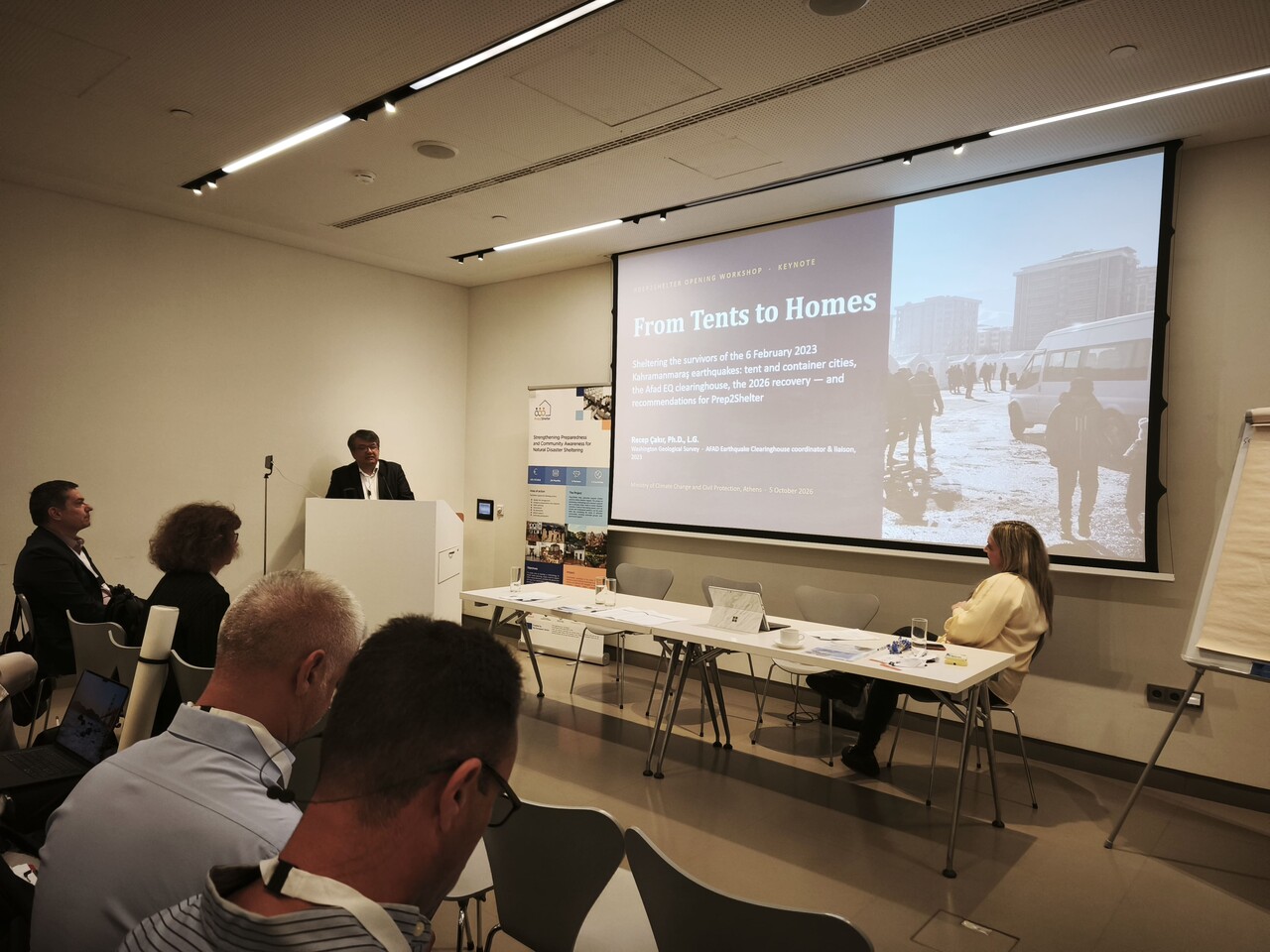
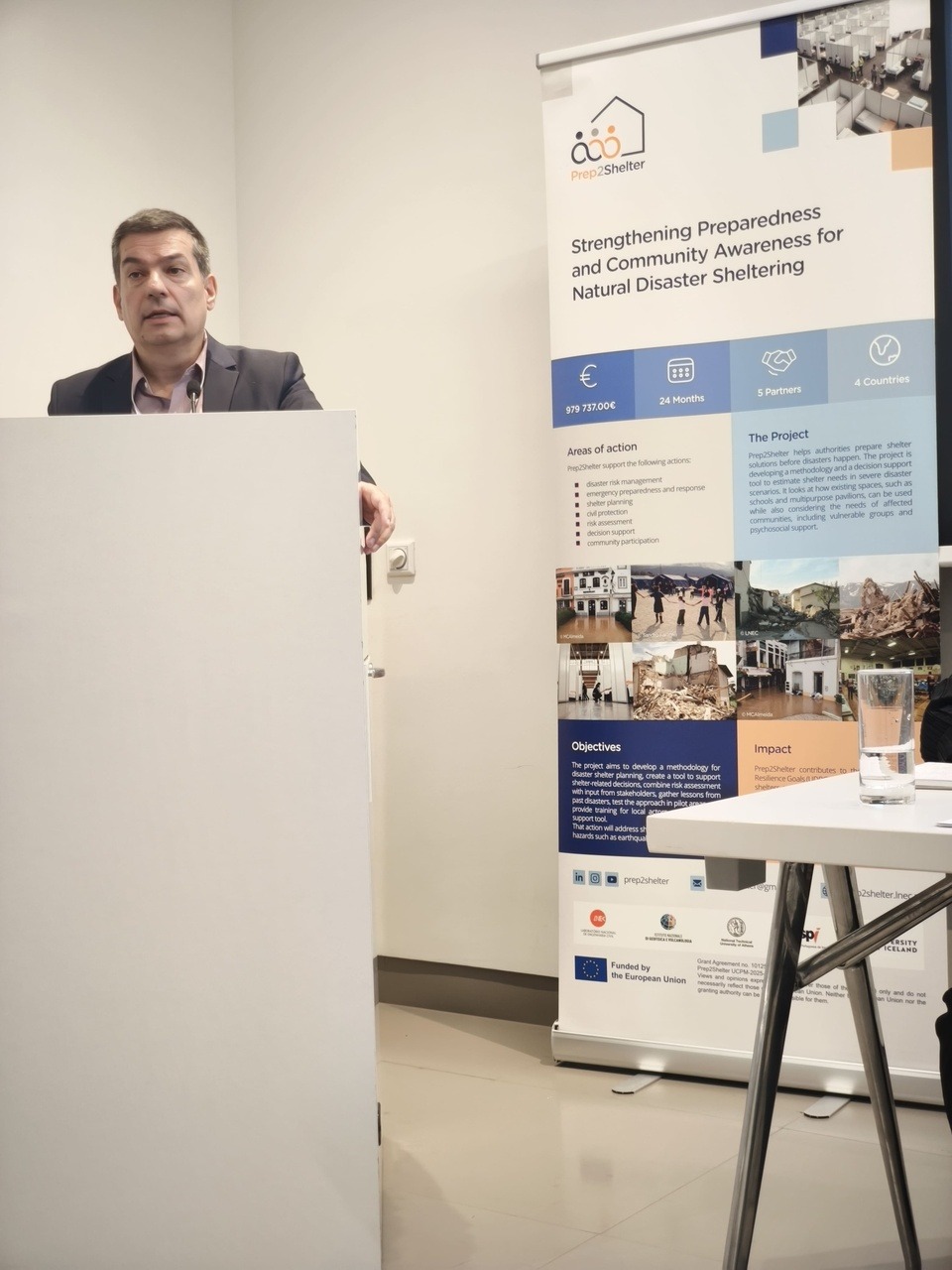
Invited specialists shared operational and technical perspectives from Greece and Türkiye. Maria Bika, representative from the Greek Ministry of Climate Change and Civil Protection, discussed national approaches to post-disaster population management and sheltering. Eleana Porichi, Director of Civil Protection of the Prefecture of Thessaly, presented the experience of the region following the 2021 Thessaly seismic sequence and Storm Daniel in 2023. Dr Recep Cakir shared lessons from post-earthquake management following the 2023 Kahramanmaraş earthquake sequence in Türkiye.
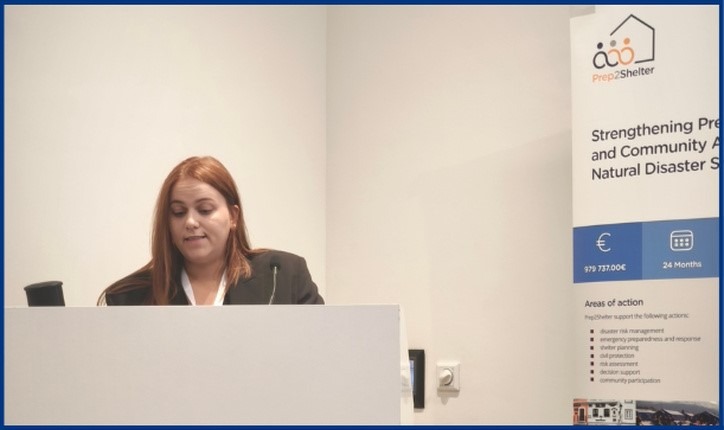
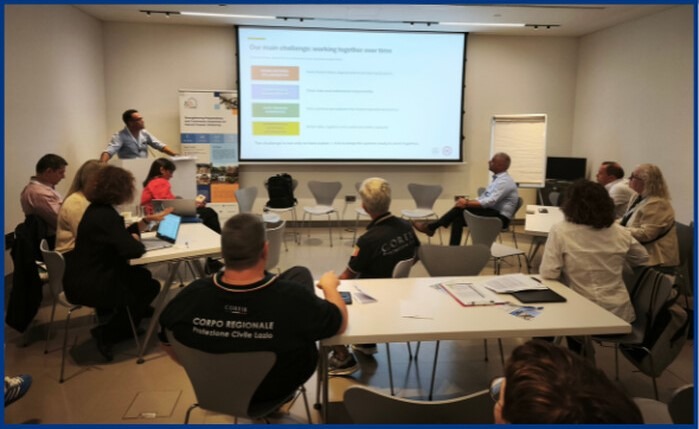
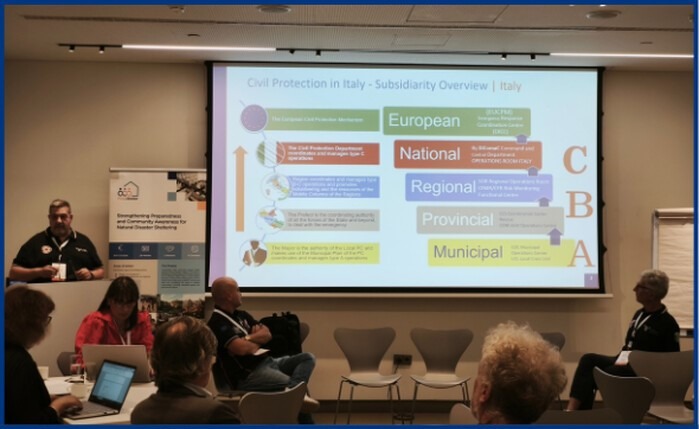
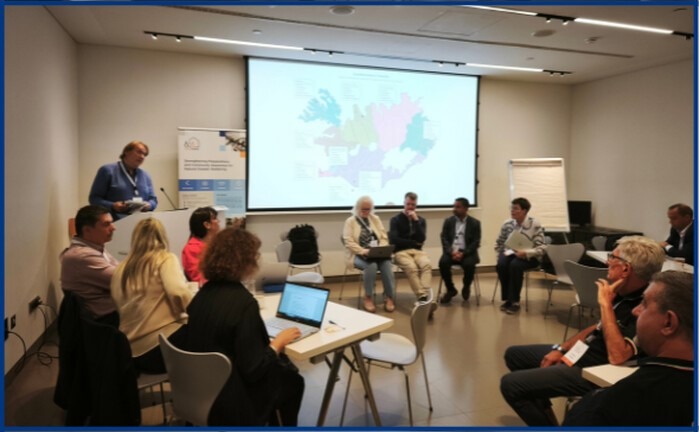
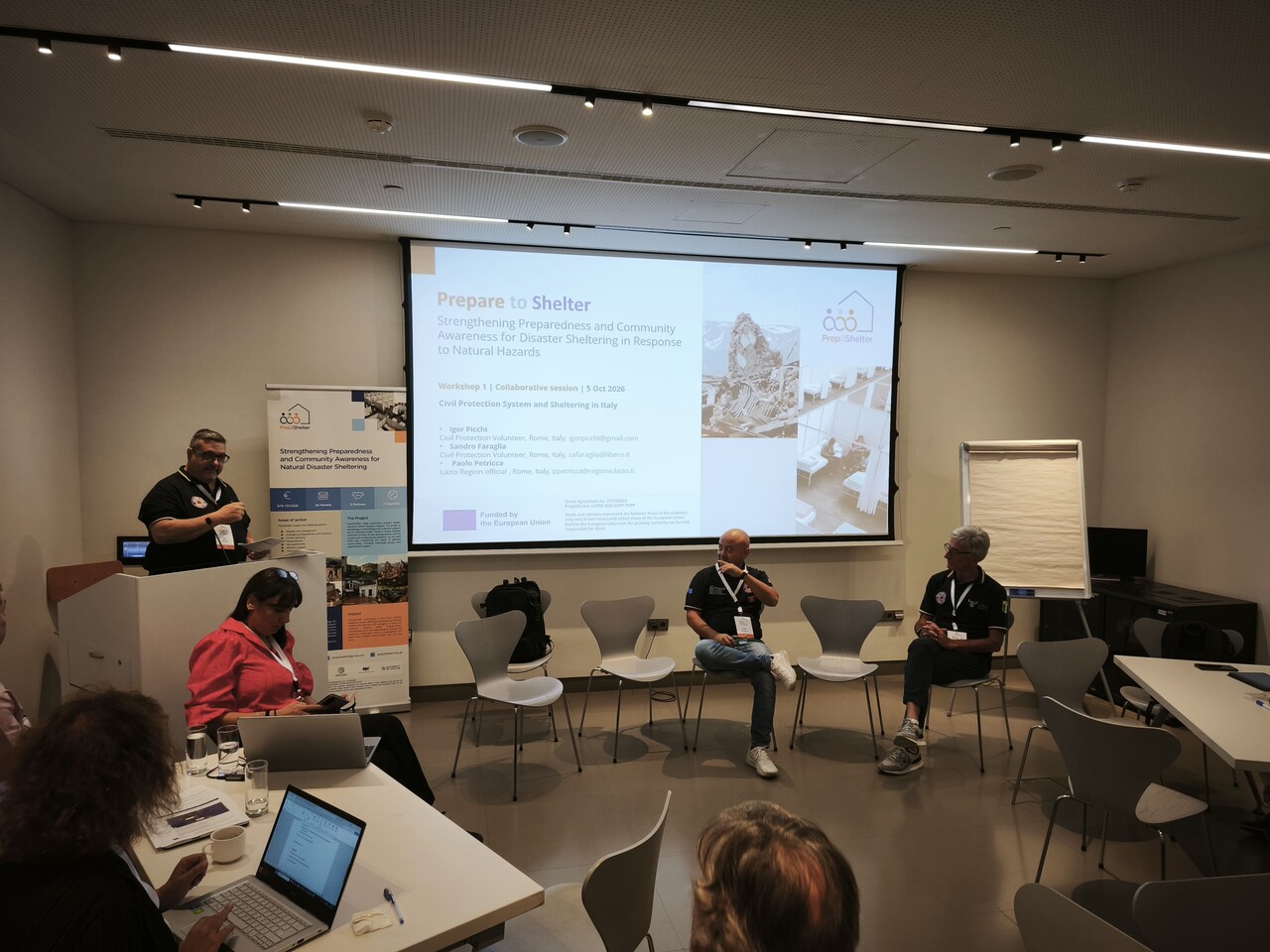
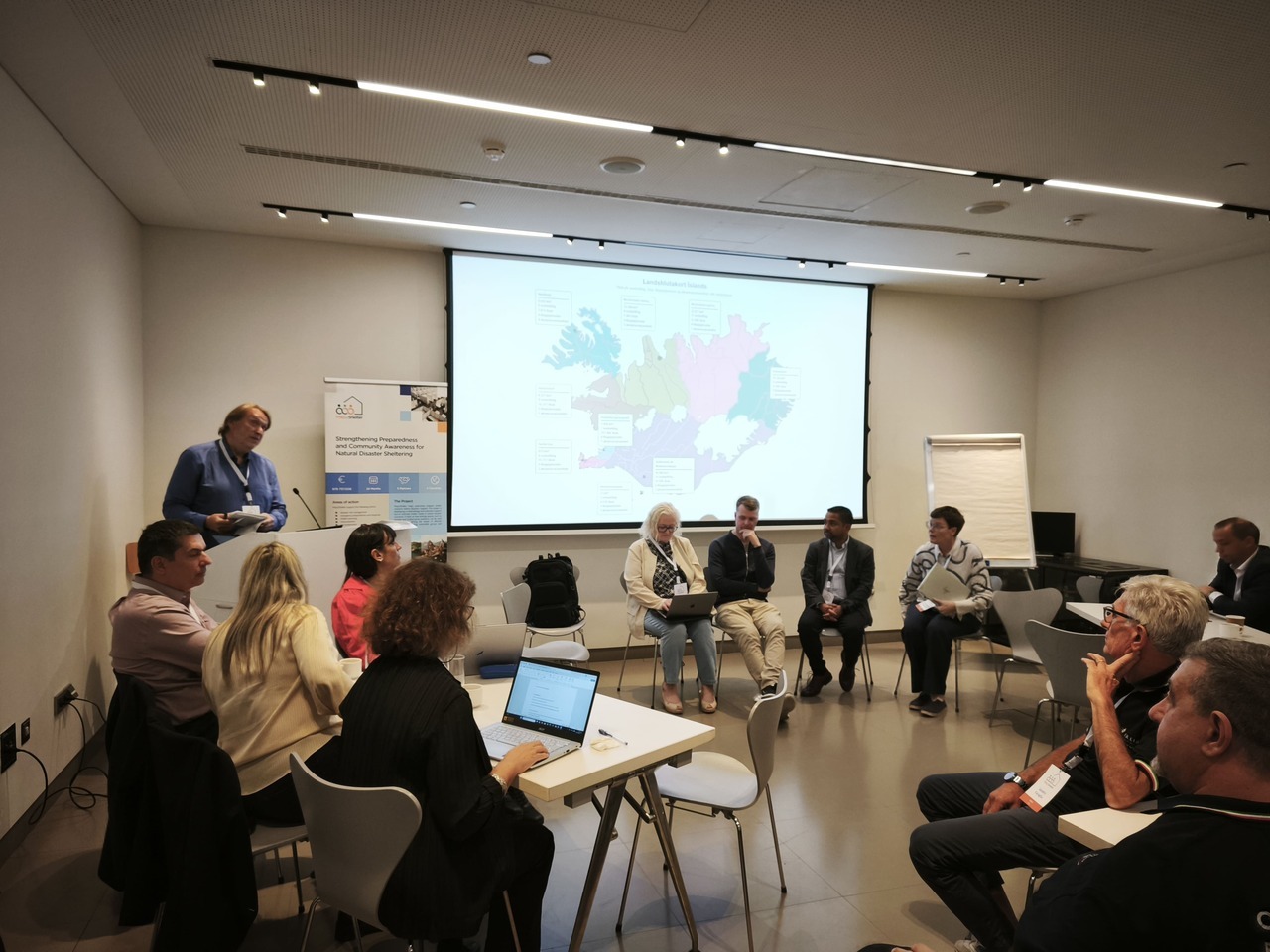
The workshop also included presentations from Civil Protection representatives from the Prep2Shelter partner countries. They shared information on their national Civil Protection systems and their experience of organising sheltering following previous disasters. The discussion highlighted common challenges and differences between national and local approaches to emergency sheltering.
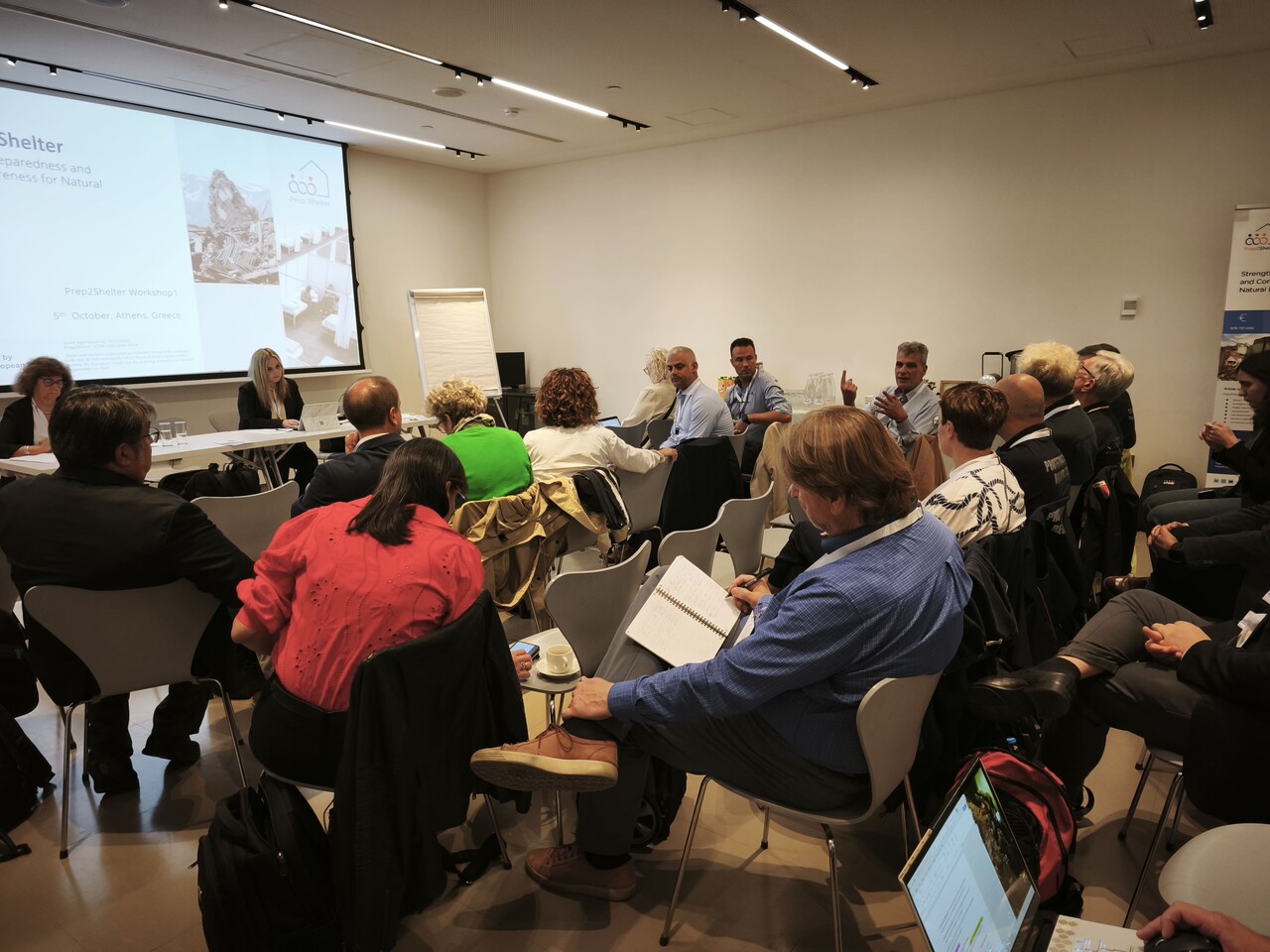
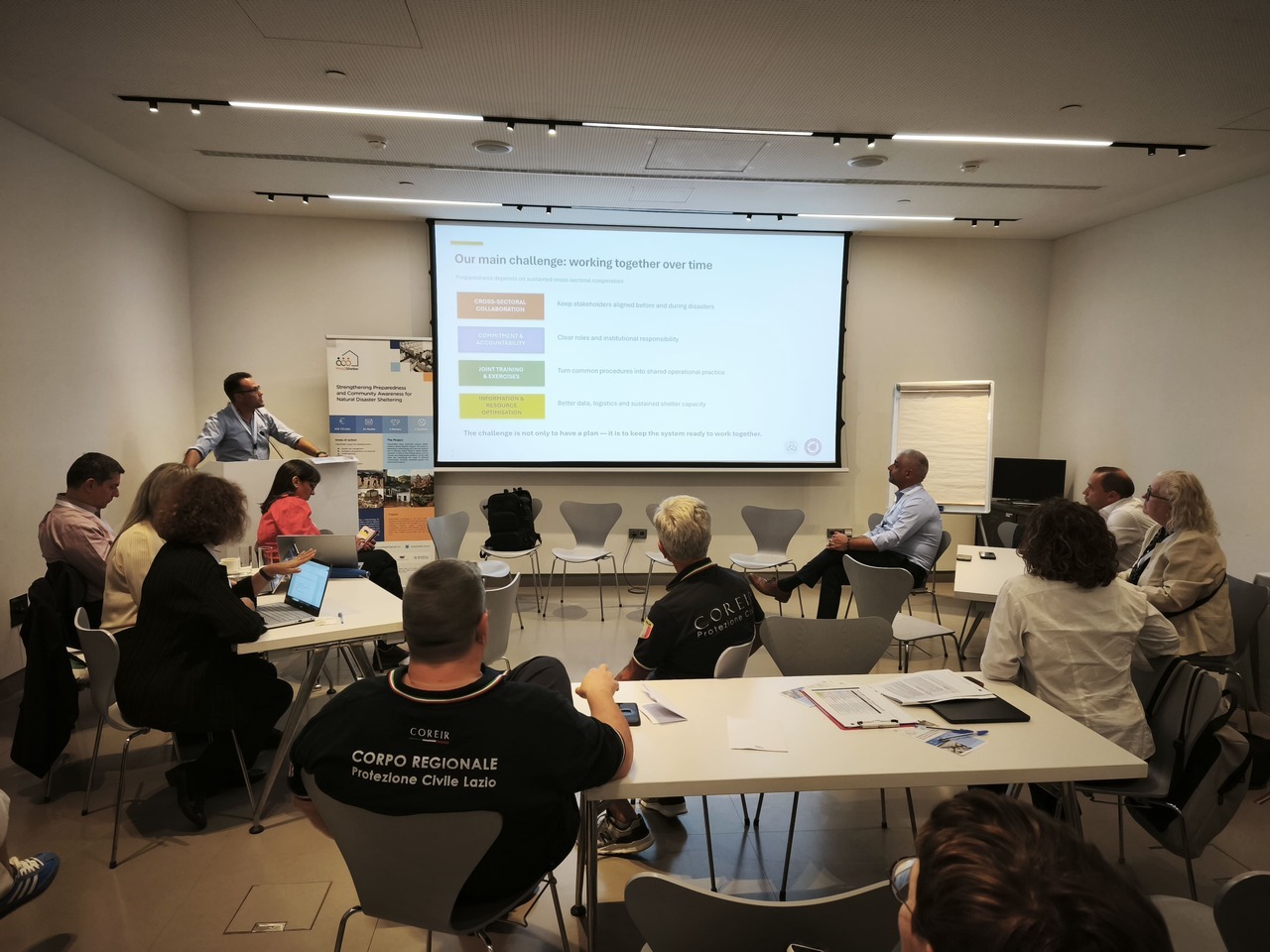
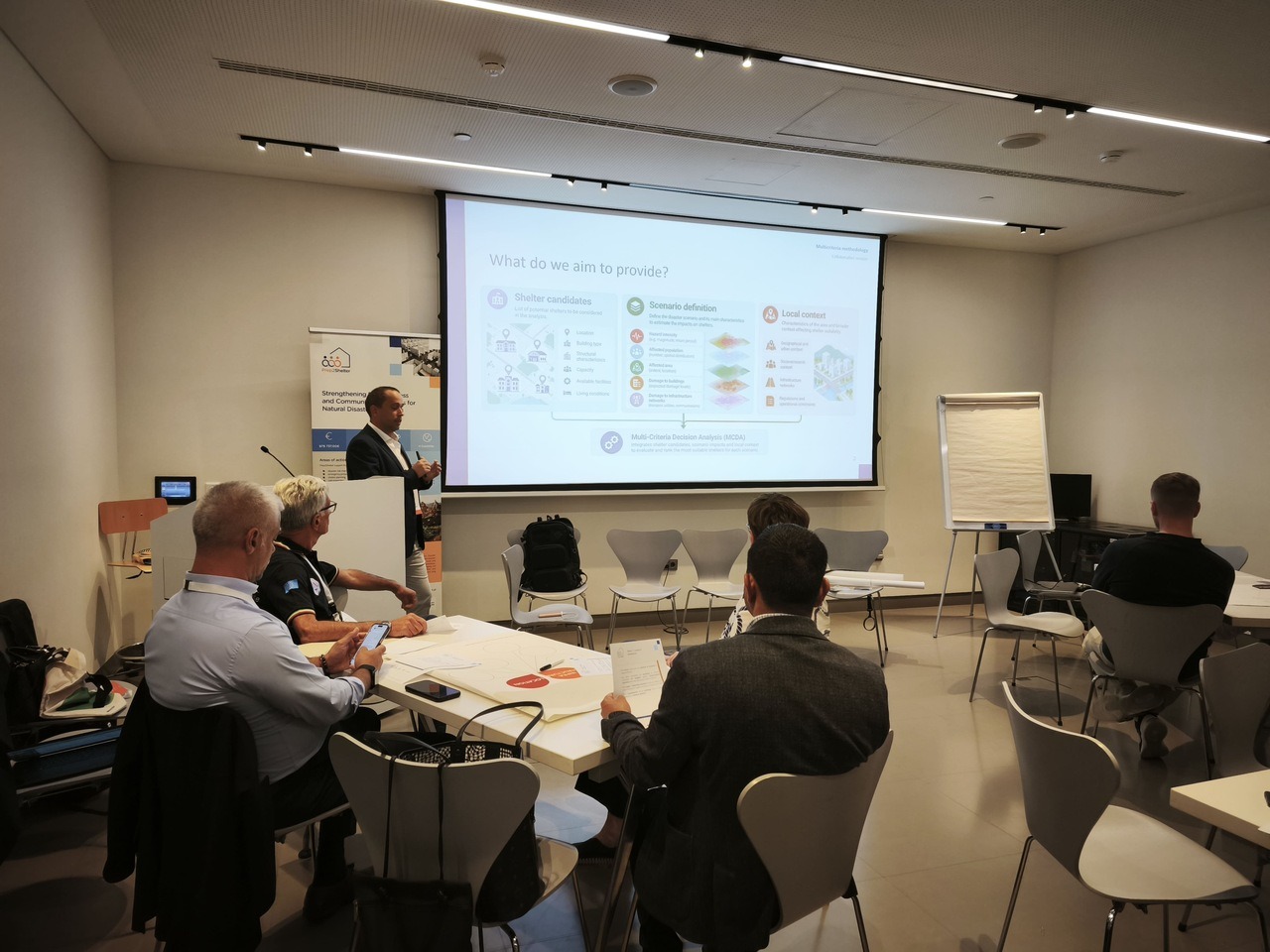
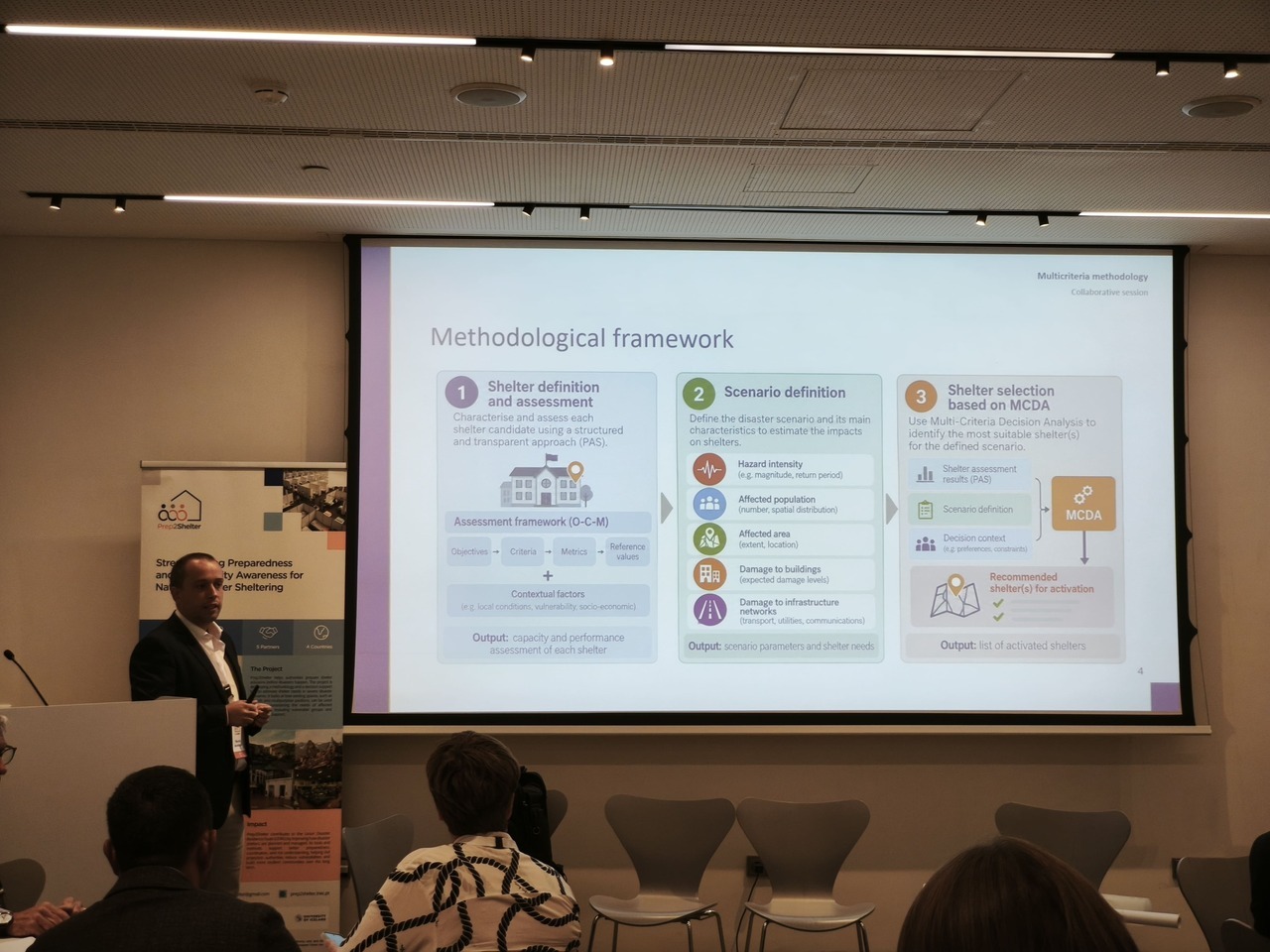
A collaborative session, led by LNEC and INGV, brought researchers and DRM practitioners together to discuss the multicriteria methodology under development by Prep2Shelter. Participants worked in groups around three areas that are central to disaster shelter planning:
People’s needs and services
identifying the needs of displaced populations and the services that shelters should provide beyond temporary accommodation, while considering differences between social groups.
Site conditions and infrastructure
discussing the characteristics that make a site or building suitable for emergency sheltering, including infrastructure, accessibility, hazards and contextual conditions.
Governance, management and recovery
considering coordination and management arrangements during sheltering, as well as how shelter responses can support affected households throughout the recovery process.
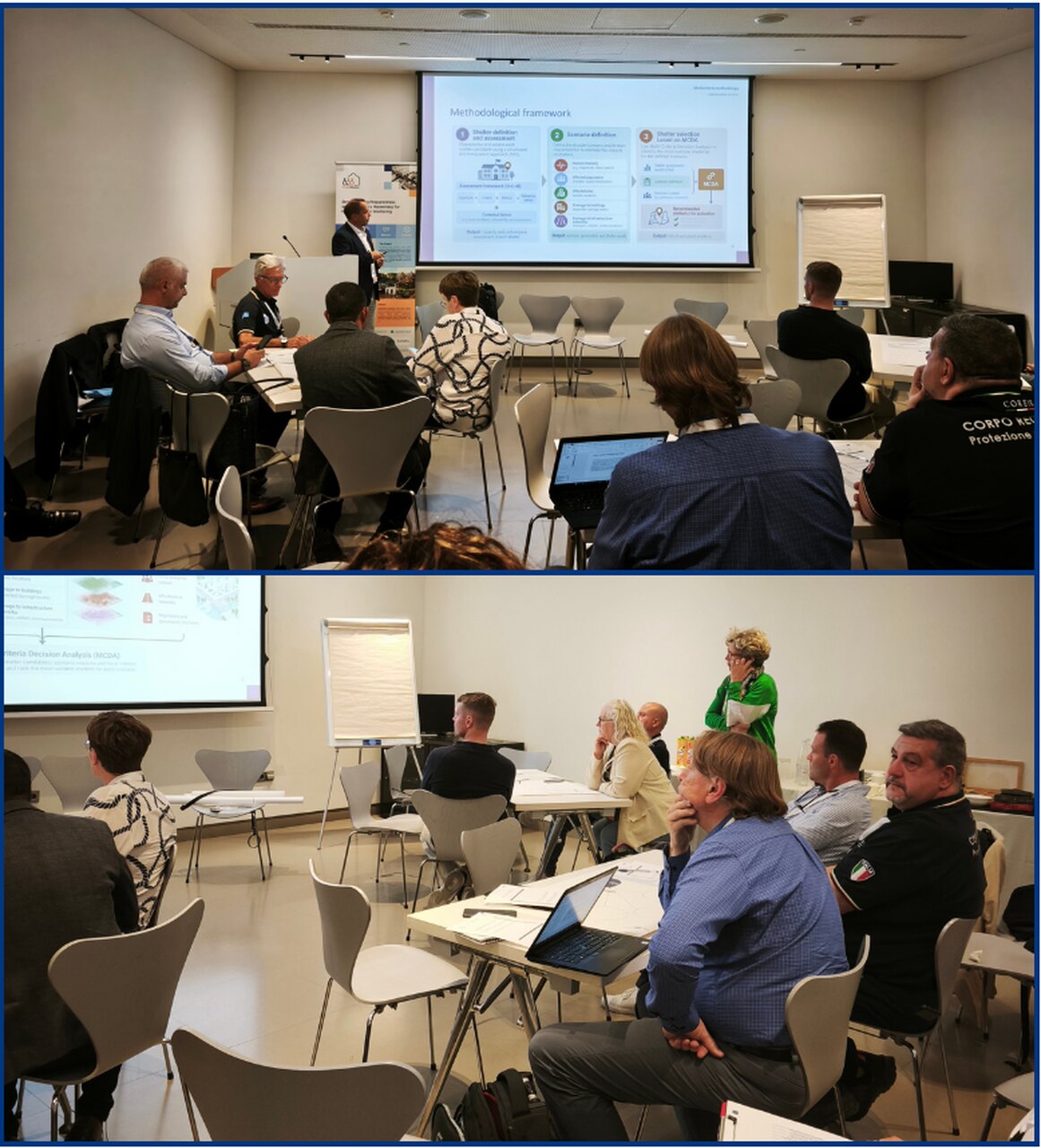
The contributions from DRM practitioners provided practical input for the further development of the Prep2Shelter multicriteria methodology and its application to disaster shelter planning.
These presentations provided the basis for discussions on how scientific knowledge and operational experience can be combined to improve disaster shelter preparedness.
Taking the discussion into the field
Following the workshop, Prep2Shelter partners travelled to Larisa, in Thessaly region for a field mission organised by NTUA. The mission focused on the experience of local and regional authorities and communities affected by two major disasters: the 2021 Thessaly seismic sequence of March 2021 and Storm Daniel in September 2023.
The successive events affected communities across the region and resulted in population displacement and the need to organise emergency sheltering. Their impacts provided an opportunity to examine shelter activation, coordination, infrastructure and recovery across different types of hazards.

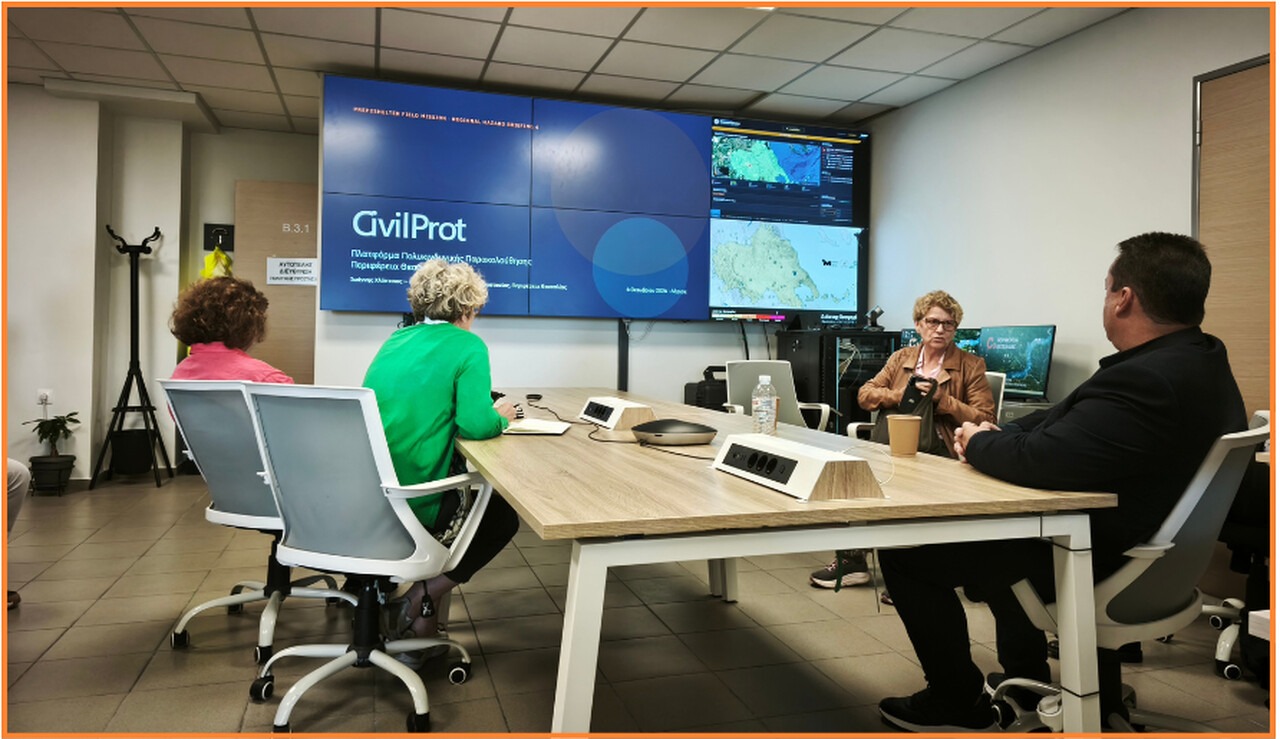
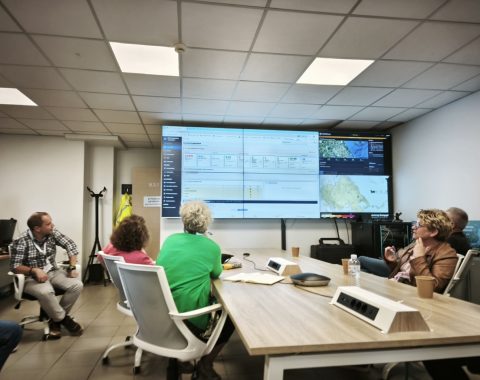
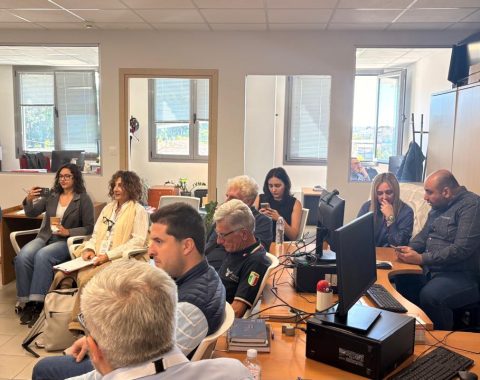
At the Prefecture of Thessaly, the project team met with regional authorities and researchers to discuss the impacts of the two disasters and the response and recovery processes. Presentations covered:
- the impacts of the 2021 Thessaly seismic sequence and the 2023 Storm Daniel floods;
- the activation of emergency shelters, including their timeline, locations and capacity;
- the current recovery situation and remaining needs;
- multi-hazard impacts on transport infrastructure;
- the Prefecture’s monitoring and information systems for natural hazards and their impacts; and
- the use of new technologies for extreme-event response and scenario development.
The team also discussed emergency planning and coordination between regional, national and European actors, as well as the experience of the Prefecture of Central Macedonia in emergency planning.
From institutional experience to community experience
Day 2 of the Prep2Shelter field mission brought Prep2Shelter team closer to the realities of families affected by disasters.
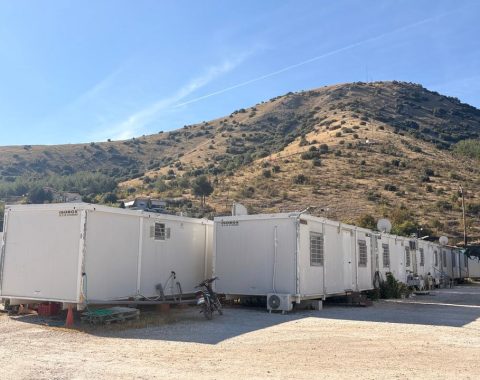
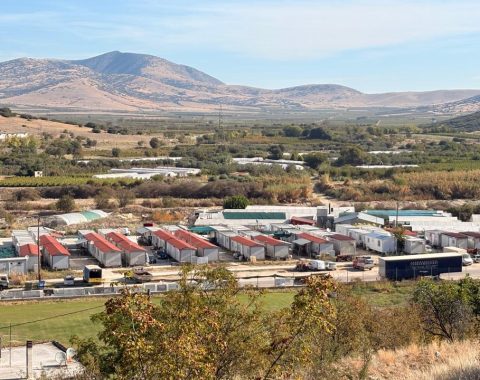
In Damasi, the team conducted group discussions with people who had been displaced following the Thessaly seismic sequence. The group discussions aimed to understand how these communities live, adapt and cope with displacement, and how their shelter needs changed throughout recovery.
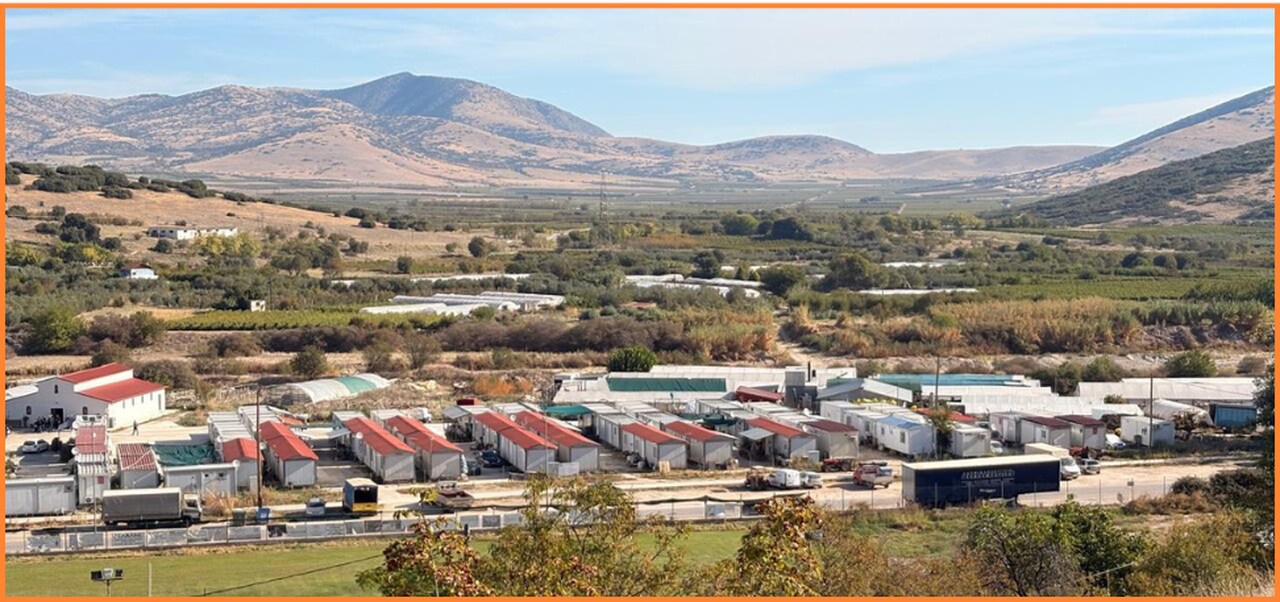
These discussions provided a complementary perspective to the information collected from Civil Protection authorities and researchers. Understanding how sheltering is experienced by affected households is important for identifying the conditions and services needed to support people during displacement and recovery.
Bringing knowledge into the Prep2Shelter methodology
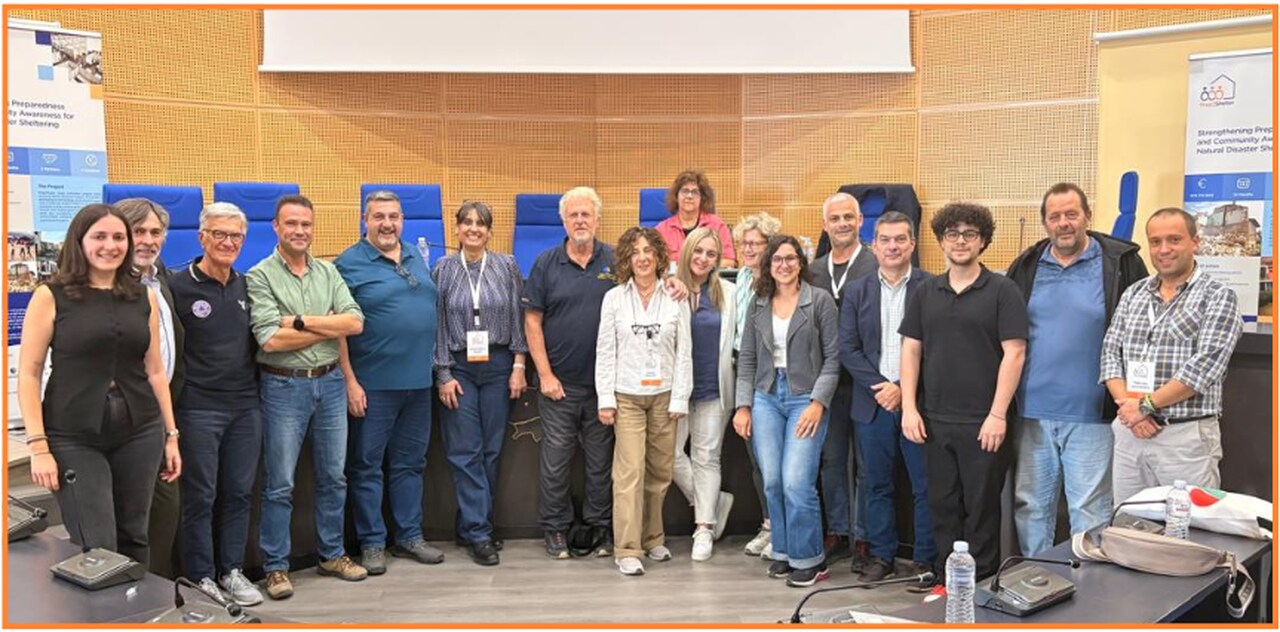
The workshop and field mission connected research, institutional experience and community perspectives. The lessons shared by Civil Protection authorities, researchers and affected communities will contribute to the ongoing development of the Prep2Shelter multicriteria methodology and decision-support tool.
The experience in Thessaly also highlighted the importance of considering sheltering as a process that extends beyond the identification of a suitable building. Effective shelter planning requires consideration of people’s needs, site and infrastructure conditions, management and coordination arrangements, and pathways towards recovery.
By bringing together knowledge from different countries, disaster contexts and stakeholder groups, Prep2Shelter is working towards tools and approaches that can support Civil Protection authorities in preparing for future sheltering needs before disasters occur.
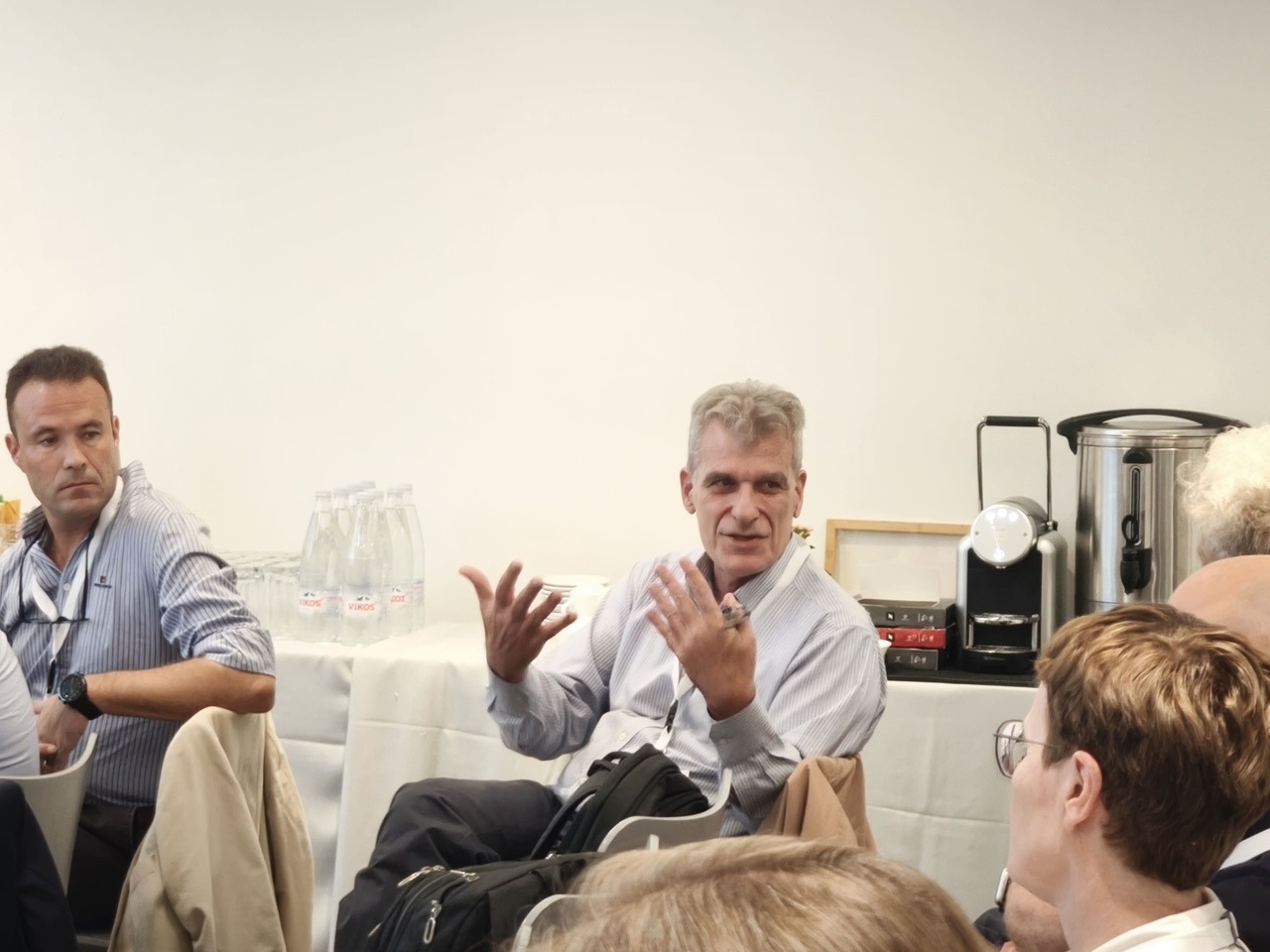
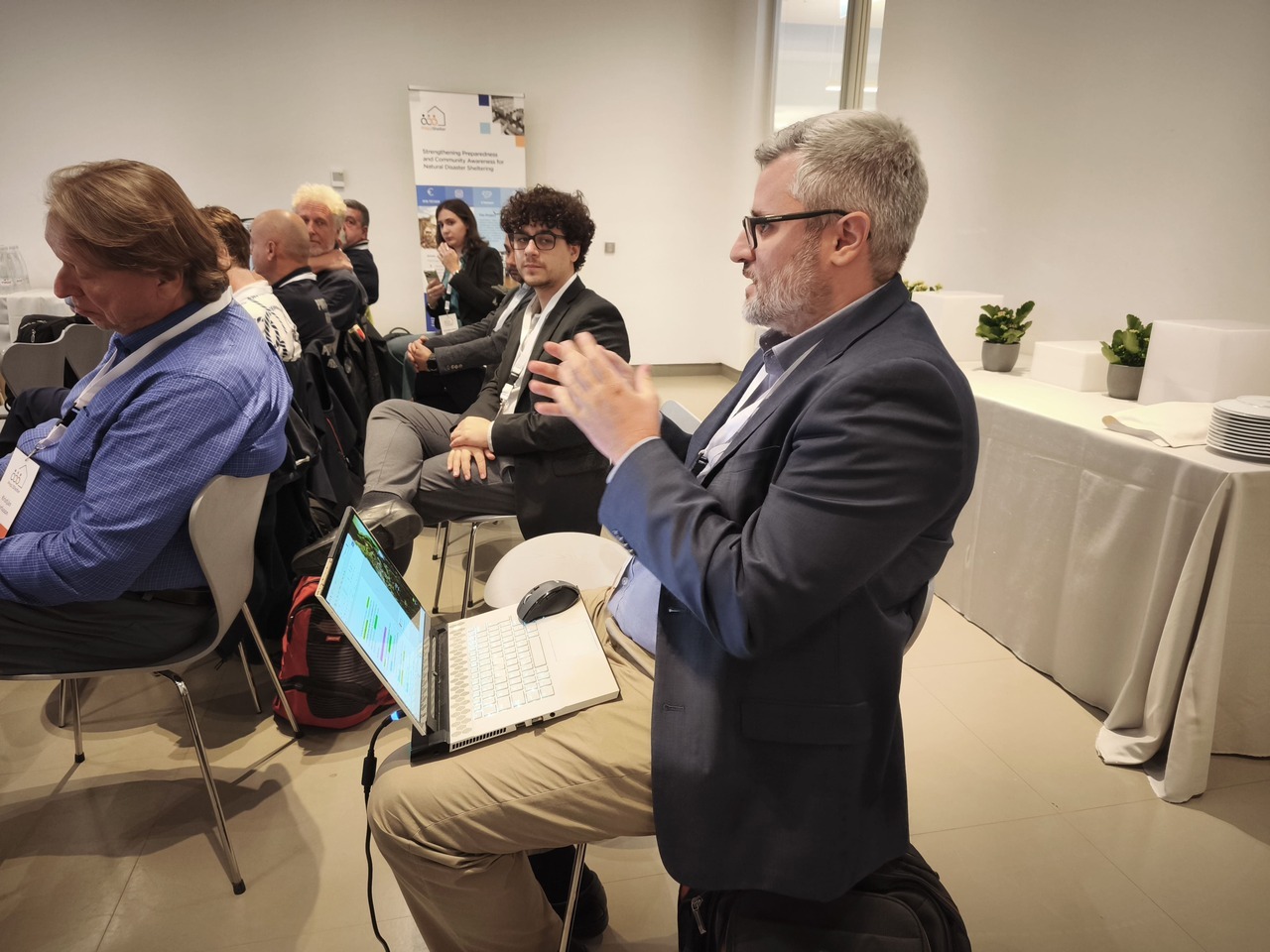
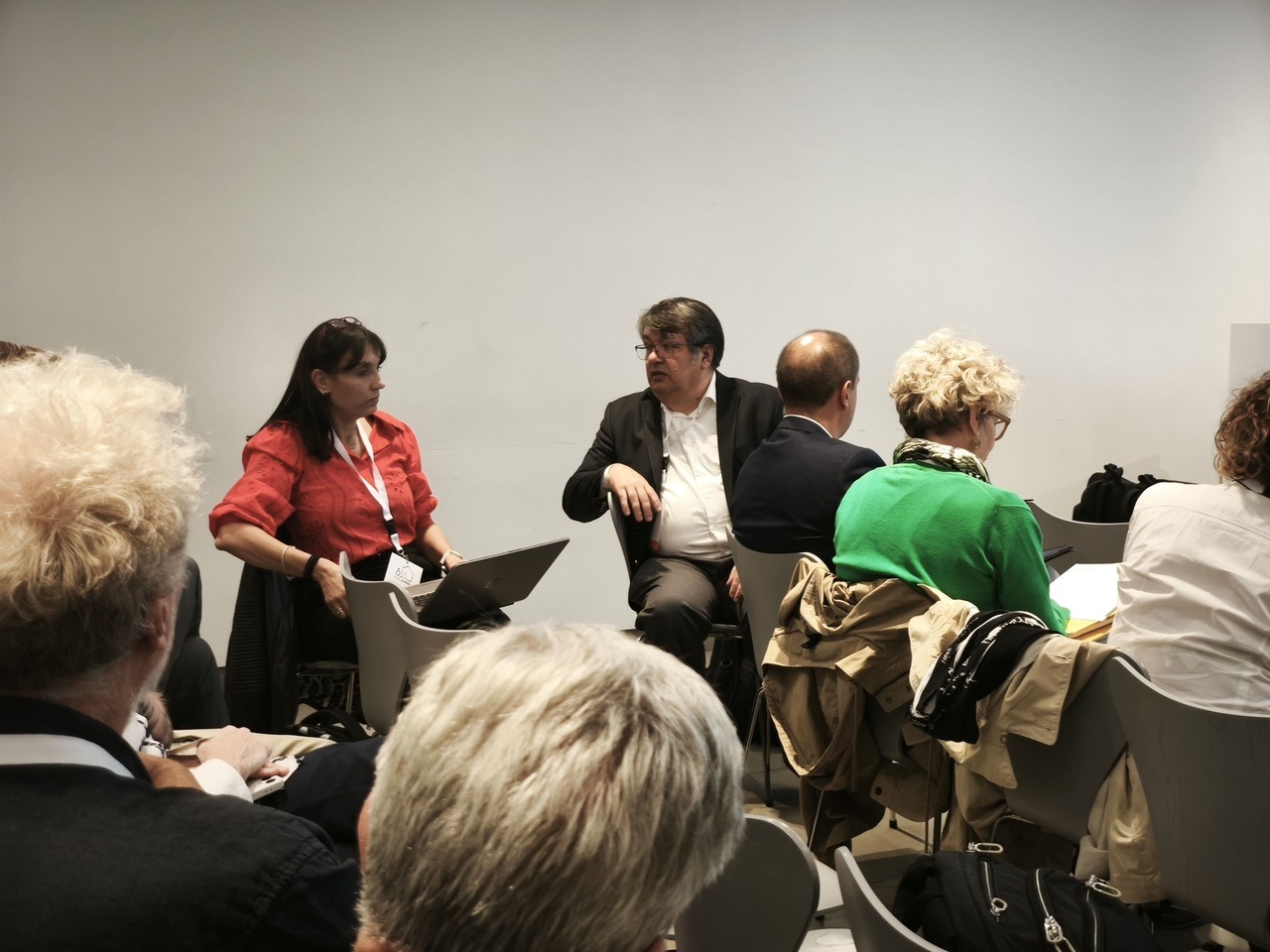
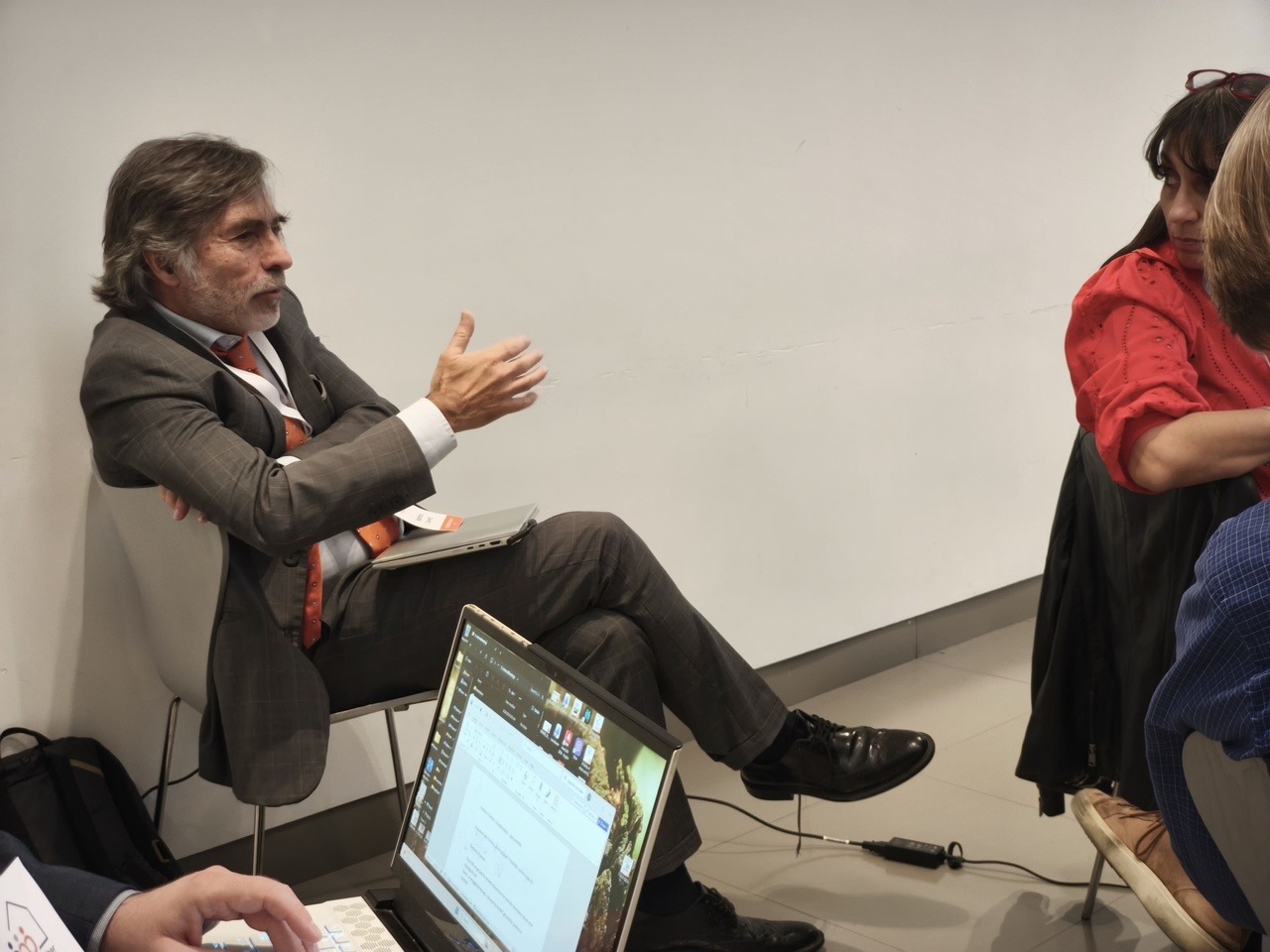
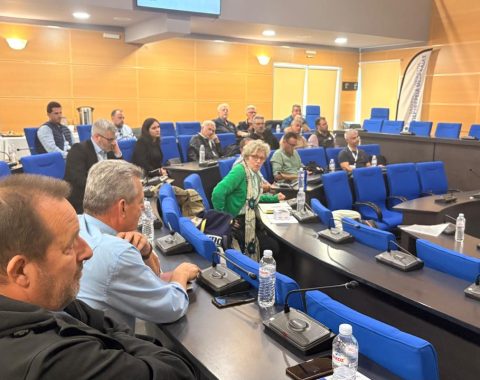
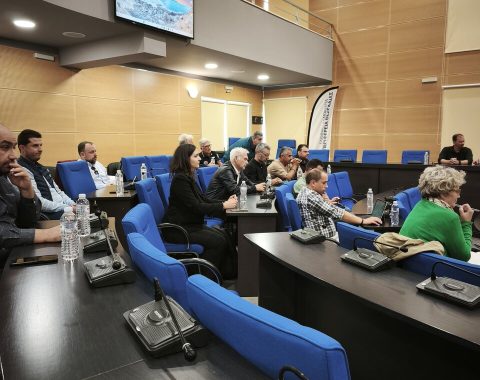
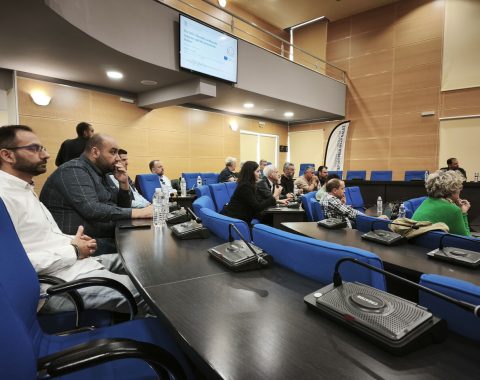
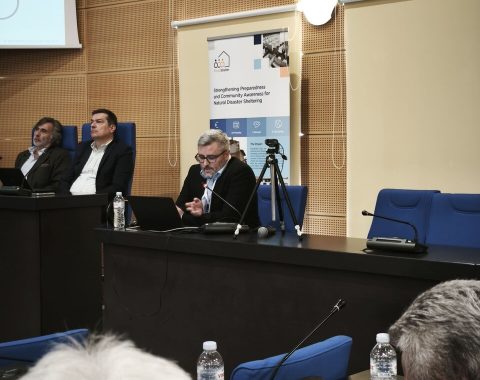
Workshop in Review Photos

Field Mission in Review Photos
Objectives
The workshop will provide an opportunity to:
-
Share knowledge and experiences
on disaster sheltering, emergency preparedness, and post-disaster recovery;
-
Strengthen and consolidate the Prep2Shelter DRM network
by fostering dialogue among researchers, civil protection officials, local authorities, and DRM practitioners
-
Identify core objectives and requirements
for multicriteria methodology and IT tool to support disaster shelter planning.
Key Program features:
3 Keynotes
- Invited speakers from Türkiye with expertise on earthquake risk and disaster risk reduction, sheltering and post-disaster recovery will share their perspective on recent post-disaster recovery processes iand lessons learned in Türkiye;
1 Meeting
Greek Civil Protection Officials will share their experience and lessons learned from the Elassona earthquake (March 2021) and Storm Daniel (September 2023), with focus on implications for disaster preparedness and shelter planning;
1 Collaborative session
A multi-stakeholder discussion on disaster sheltering to discuss the Prep2Shelter multi-criteria methodology under development and gather input from DRM practitioners to ensure its applicability to shelter planning.